How to add variety to your motion design?
Last Updated on June 12, 2026
Designboards Styleguides
Design Boards

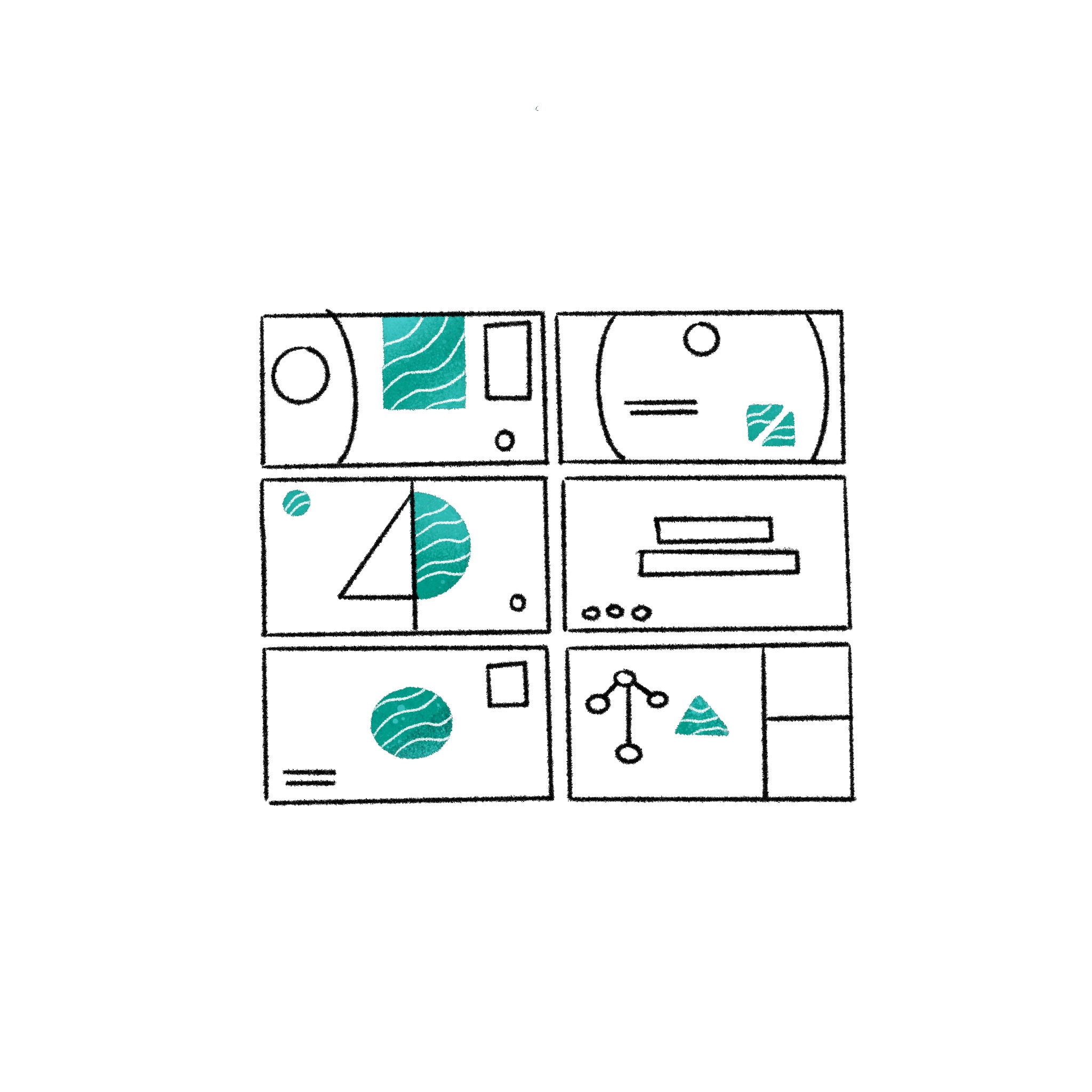
A design board or design boards are a narrative sequence of style frames. This gives the sequence its final face. Design boards are, so to speak, the combination of storyboard and style frame.
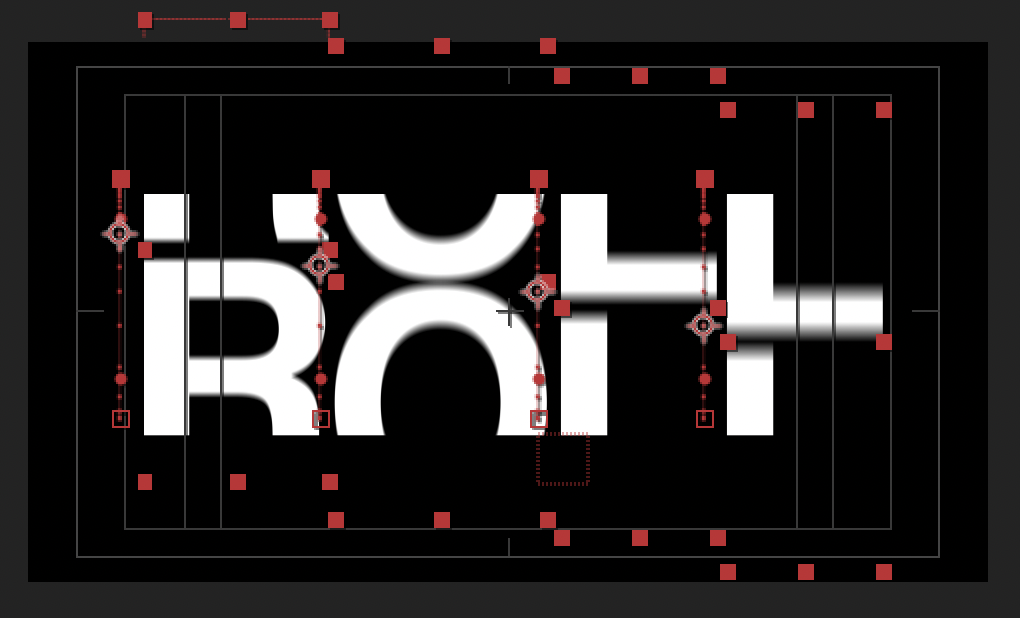
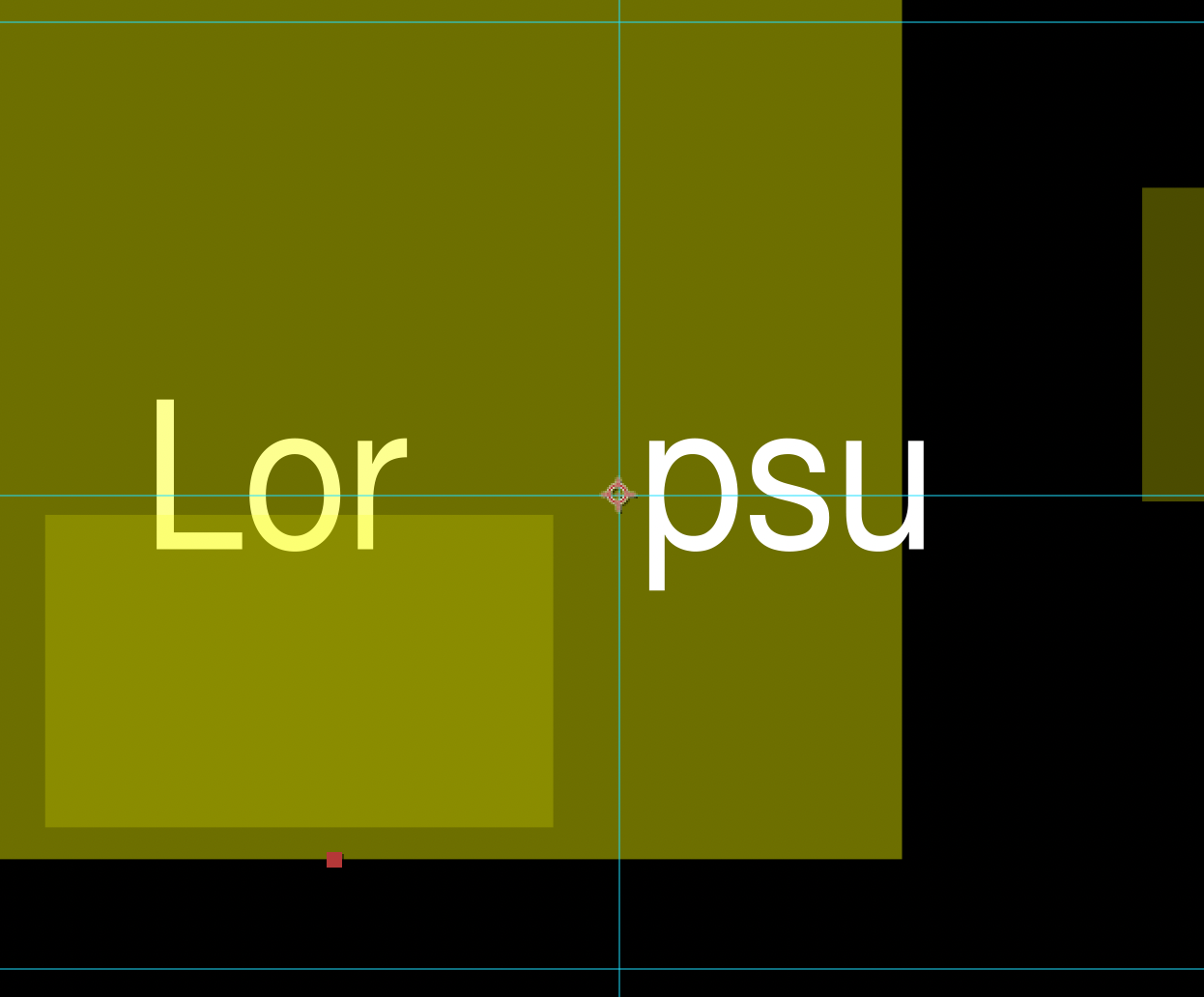
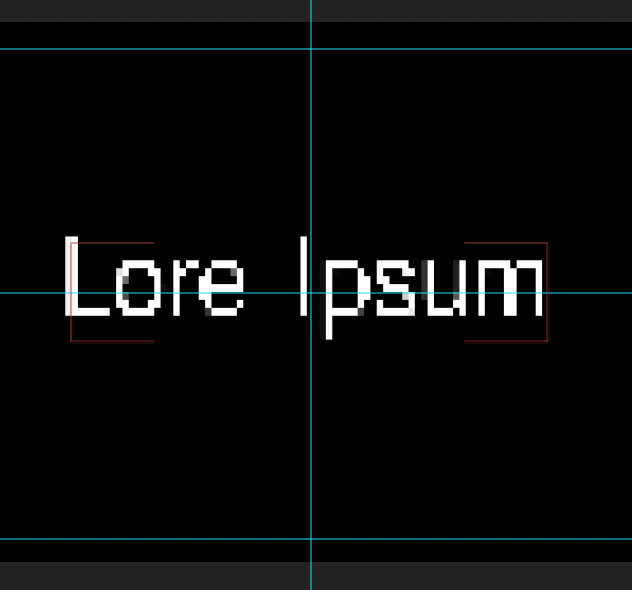
Typographic After Effects Tutorials
Linklist
Step 1 | Typographic Styleframes
Typographical boards
Assignment
Pull a few words from your word list or mind map. Not the safe ones, the ones with a shape or a feeling.
Now design them. Size, position, font, colour, texture, everything is a variable. Serif, sans-serif, both at once. Backgrounds that fight the type or hold it. Make as many variations as you can. The goal isn’t a good layout, it’s a lot of layouts. You’re looking for the one that surprises you.
Step 2 | Analyze
Find applications
Assignment
Look at what you made. Spread it all out and just look.
Some frames will have something. A tension, a mood, an energy you didn’t plan. Those are your starting points. Pick the ones that feel alive and ask: what happens if this moves? Could it be a title sequence, kinetic type, something else entirely?
Sketch it. Rough and quick, just enough to capture the idea before it disappears.
Step 3 | Create your series
Create design board
Assignment
You have frames, now build around them.
Add images. Your own photos, something drawn, something found. Let them talk to the type, fight it, echo it. Play with composition, cropping, colour until the frames start to feel like they belong together.
You’re not illustrating your project. You’re finding its visual world.
Step 4 | Establish your own rules
Complete the do's and don'ts list
Assignment
You’ve been making decisions this whole time.
What worked, what didn’t, what you’d never do again. A short do’s and don’ts list, just for you. It’s not homework, it’s a cheat sheet for the rest of your project.